
WHY THIS
EXISTS.
A diagnosis of the climbing industry. And what happens when someone decides to fix it.
Climbing gyms have proliferated faster than the systems to support them.
Most operate on the same model: open the doors, set some routes, run a beginner course, repeat. Members arrive, plateau, and eventually leave — not from lack of interest, but from lack of direction.
- Progression is unstructured — most members have no roadmap
- Training is repetitive — volume without feedback yields diminishing returns
- Physical development is siloed — gym climbing and strength work rarely communicate
- Medical and recovery support is outsourced or absent entirely
The sport has grown. The infrastructure hasn't kept up.
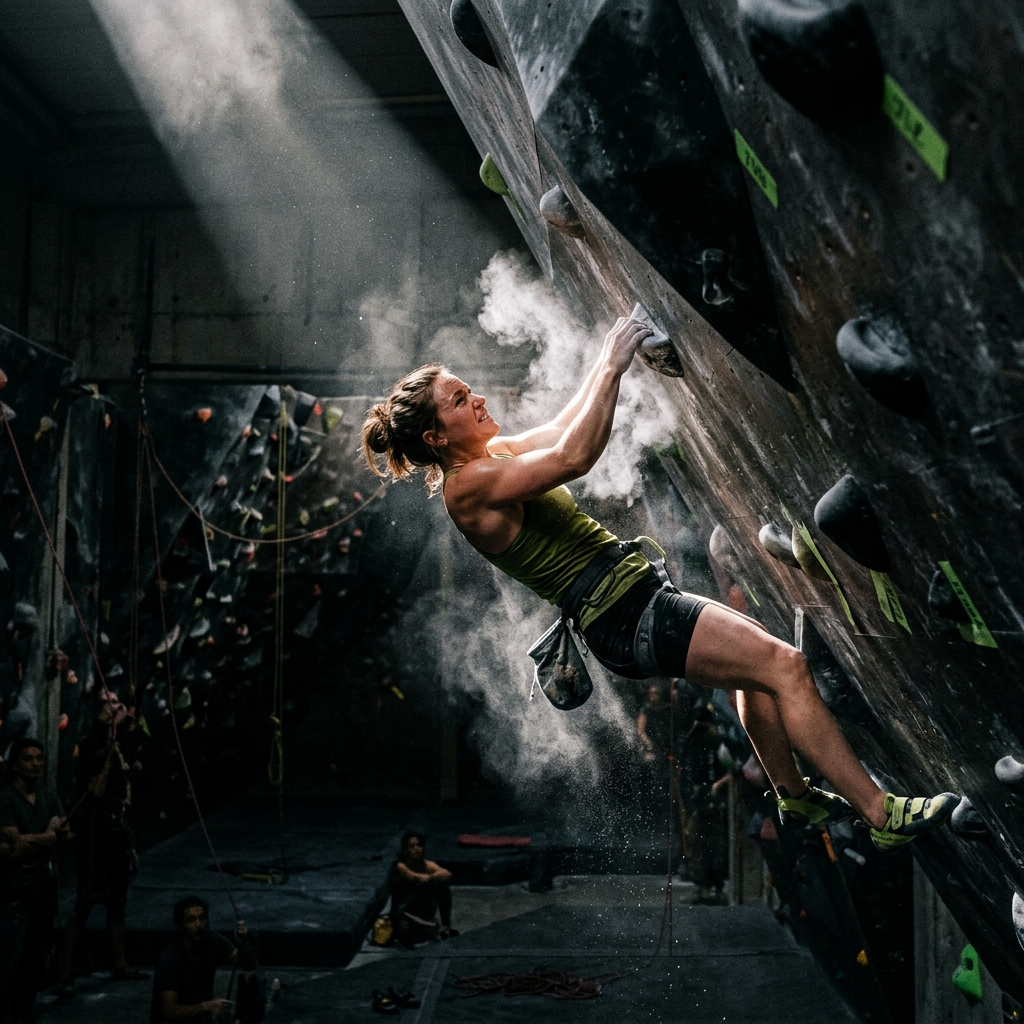
The climbing industry has no unified athlete development model.
Every other serious sport does.
Football has academies. Swimming has structured progression pathways. Track and field athletes have coaches, physiologists, and psychologists working in concert. Climbers — even serious ones — largely navigate alone.
- No integrated data — training load, movement quality, and recovery are tracked separately, if at all
- No unified system — coaching, medical, and performance operate in isolation
- No repeatable progression model — development is inconsistent and largely luck-dependent
- No financial return for high performance — elite athletes absorb all the costs
This isn't a minor operational gap. It's a structural failure in how the sport develops its athletes.
The central question Send Science was built to answer:
If climbing performance, physical training, and athlete data are unified into a single system — does progression become measurable and repeatable?
The hypothesis is that elite development in climbing is not gatekept by talent. It's gatekept by access to the right system.
That if the right infrastructure exists — structured progression, real-time feedback, integrated medical support, and performance data — athletes at every level will develop faster, train smarter, and go further.
This isn't a new idea in sport. It's just never been applied to climbing at facility scale.
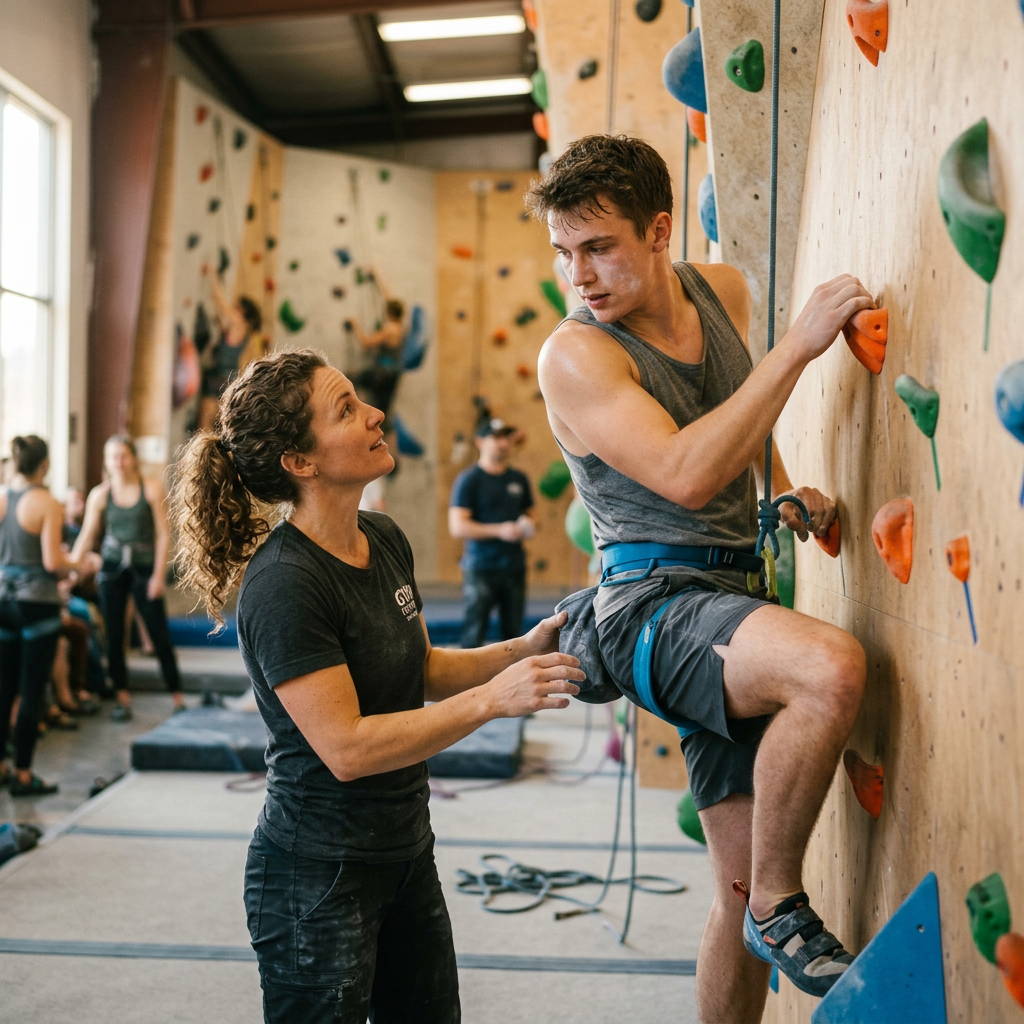
Send Science is the operational response to that hypothesis. Three integrated environments, built to function as one.
Arena
The performance environment. Sensor-equipped walls, tracked ascents, real-time movement data. Where climbing actually happens — and where the data starts.
Nexus
The intelligence layer. Every session logged, every metric captured. Training load, movement patterns, recovery scores — visible in one place, informing every decision.
Lab
The development engine. Strength and conditioning, sports medicine, physiotherapy, sport psychology, and recovery — all integrated, all accessible, all talking to each other.
The model is simple in concept. Difficult in execution. And entirely absent from the industry today.
Every major advancement in sport performance came from someone deciding to treat athletes like the professionals they are. To build the infrastructure that matched their ambition. To stop accepting the status quo as a ceiling.
That's what this is.
This is not a concept.
It's a system being built in real time.